English
 Español
 Français
Get a Quote Right Now!
Product Catalog
Get A Quote
Product Catalog




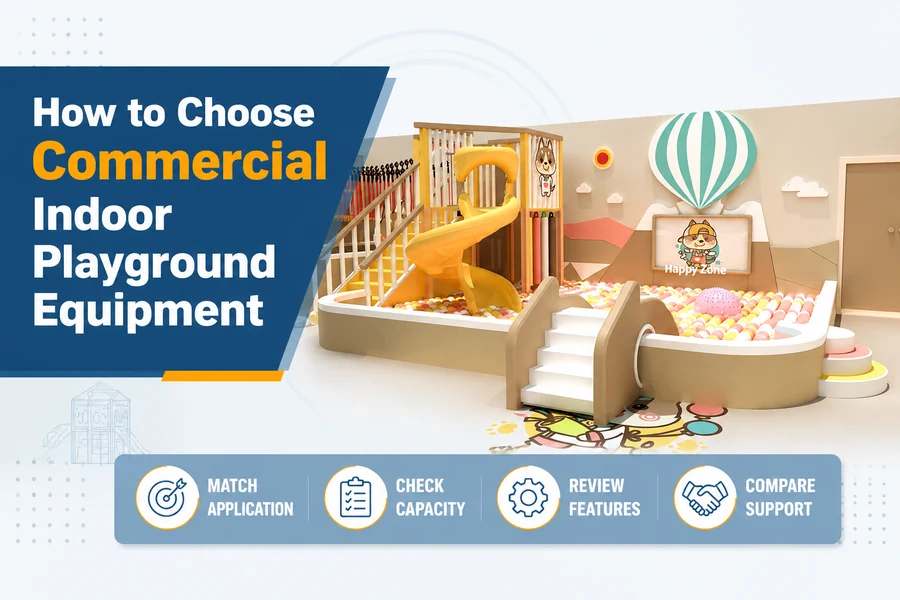
Article Overview: This guide helps procurement managers and project engineers evaluate commercial indoor playground equipment suppliers. It covers safety certifications, customization processes, RFQ preparation, and pre-purchase checkpoints. Evidence from leading manufacturer Happy Zone Playground informs the criteria, but principles apply industry-wide.
Article Overview

Commercial indoor playground equipment must comply with recognized safety standards such as EN1176 (Europe), ASTM F1487 (USA), and international certifications like CE or TÜV. Verify that the supplier’s products are third-party tested to these norms before issuing an RFQ.
Safety is non-negotiable. Reliable manufacturers like Happy Zone Playground certify their equipment to EN1176, EN1177, TÜV Rheinland, and SGS standards. These cover structural stability, impact attenuation, entrapment hazards, and age-appropriate design. Request a copy of the supplier’s certification documents and check the scope (which models are covered). Common risks include fake certificates or expired standards. Mitigation: ask for recent testing reports and cross-reference with the certifying body.
Key safety features to inspect:
Don’t accept verbal assurances; require written certification in the RFQ.
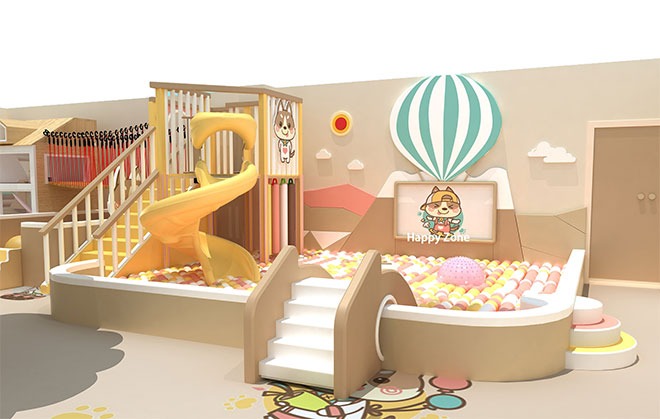
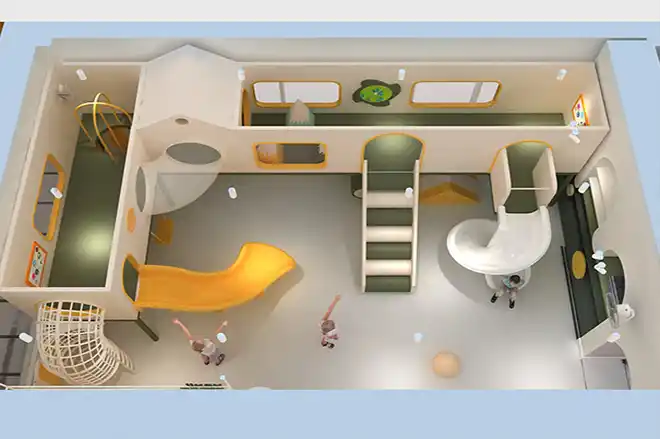
Customization is critical for fitting your space, theme, and budget. A capable supplier offers 3D Max design, on-site measurement, and theme creation (castle, forest, ocean). Request sample design proposals and ask about past custom projects.
Happy Zone’s design team specializes in custom indoor playgrounds for kindergartens, malls, and commercial centers. Their project portfolio shows themes like fairy-tale castles, sea octopus, and glow-in-the-dark interactive zones. When evaluating, ask:
A supplier that offers turnkey solutions—from design to installation—reduces coordination risks. For example, Happy Zone provides 3DMax custom design and overseas installation teams. Insist on seeing at least three similar custom projects with client testimonials.
A comprehensive RFQ should specify safety standards, age range, size, theme preferences, budget range, installation requirements, and timeline. Include requests for certificates, references, and warranty terms to compare suppliers effectively.
State age group (e.g., 2–10 years), floor area (e.g., 370 m²), fall height, and desired play types (slides, climbing, interactive). Attach floor plans.
Ask for CE/ASTM certificates, test reports, and a statement of compliance with local building codes.
Include theme preferences (forest, space, etc.), color palette, and any branding requirements. Request 3D design samples.
Ask about shipping terms (FOB, CIF), installation support, warranty period (typical: 1–3 years), and spare parts availability.
A well-structured RFQ forces suppliers to provide comparable quotes. For example, a project in South Africa required a 370 m² indoor playground for ages 2–10 – the RFQ should have explicitly asked for EN1176 compliance and a customized theme. Use a template with line items for each cost component.
Before finalizing, validate the supplier’s after-sales support, installation team availability, shipping terms, and warranty. Request customer references and inspect previous projects to minimize operational risks.
Use this checklist during supplier evaluation:
Example: A Canadian indoor playground project required interactive elements. The buyer validated Happy Zone’s ability to integrate projection games and soft play by reviewing their case studies on the projects page. This pre‑purchase step avoided a costly redesign later.
Also confirm logistics: shipping time, customs documentation, and insurance. Happy Zone offers transportation services and has delivered to Europe, Canada, Middle East, and Southeast Asia. Ask for a detailed timeline from order to operation.
Yes, reputable manufacturers like Happy Zone offer 3DMax custom design tailored to your floor plan, height, and theme. Provide your site measurements and preferences, and they will create a unique layout.
Standard warranties range from 1 to 3 years for parts and workmanship. Always confirm warranty terms in writing, including what is covered (e.g., structural components vs. soft parts).
Installation time varies by complexity. A 370 m² indoor playground may take 2–4 weeks on-site. Suppliers with overseas installation teams can expedite the process. Request a project timeline in the RFQ.
Many full-service manufacturers offer on-site supervision or complete installation by trained teams. Happy Zone provides overseas installation services – confirm availability and costs during quotation.
Selecting commercial indoor playground equipment requires systematic evaluation of safety certifications, customization capabilities, RFQ completeness, and supplier logistics. By using the checkpoints in this guide, procurement teams can reduce risk and ensure a play area that meets safety, budget, and operational goals. Start by gathering certified evidence, then request tailored proposals from suppliers like Happy Zone Playground’s product line and compare based on documented criteria.